
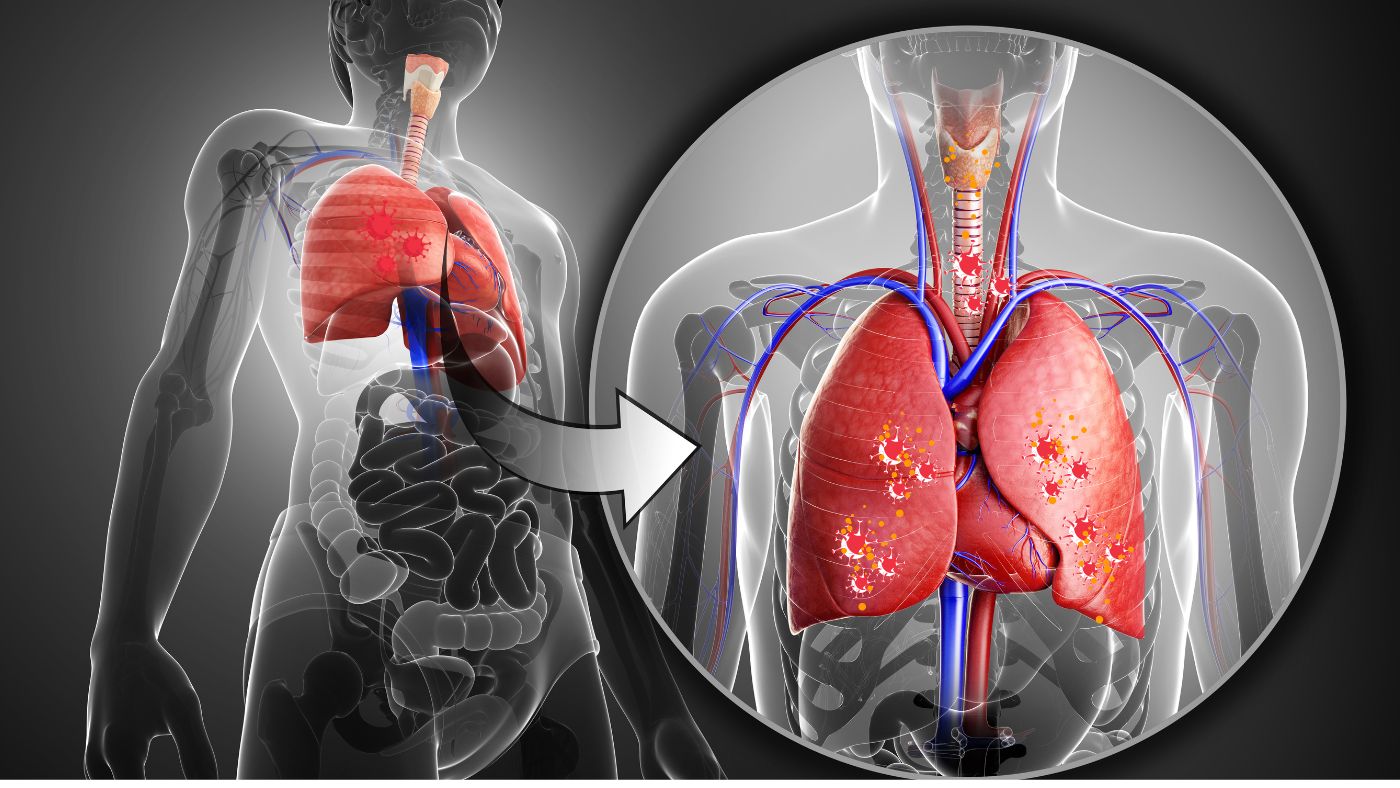
 Radon gas, a radioactive and odorless substance naturally released from rocks, soil, and water, poses a significant threat to our health. It has been linked to lung cancer, with high radon exposure increasing the risk of developing this deadly disease. This article will explore whether radon gas causes lung cancer and discuss effective ways to protect yourself from its harmful effects. By understanding the dangers of radon and taking necessary precautions, you can ensure the well-being of yourself and your loved ones. Is Radon Gas the Primary Cause of Lung Cancer?Radon gas is undoubtedly a major contributor to the occurrence of lung cancer. Radon has been linked to an alarming 21,000 lung cancer deaths annually, claims the Environmental Protection Agency (EPA). It is deemed the second leading cause of lung cancer after smoking. When individuals breathe in radon gas, radioactive particles become trapped in their lungs, gradually increasing the risk of developing lung cancer. Although it may take years for symptoms to appear, long-term radon exposure can have devastating consequences. How Does Radon Cause Lung Cancer?Radon gas emits radioactive particles that, when inhaled, can damage lung tissue and DNA. Over time, this damage can lead to the development of lung cancerous cells. The combination of radon gas and smoking multiplies the risk of lung cancer significantly. Smokers exposed to the same quantities of radon as non-smokers have a startling ten times higher risk of acquiring lung cancer from radon. It is critical to remember that exposure to high radon levels might put even non-smokers at risk. What Cancer Is Mostly Affected by Radon?Radon gas primarily affects lung cancer, making it the most prominent type of cancer linked to radon exposure. The inhalation of radioactive particles released by radon can specifically impact the delicate lung tissue, leading to the formation of cancerous cells. Recognizing the strong correlation between radon gas and lung cancer underscores the importance of taking preventive measures. Testing for Radon LevelsAccurate testing for radon levels in your home is vital to assess potential risks and determine the necessary actions to reduce exposure. Testing should be conducted in the following scenarios:
You can hire an expert to test for radon or do it yourself by obtaining a radon test kit at a hardware store. Contact your state's radon office for tools and information particular to your area. Read more about :Importance of Radon Testing in Fort Collins Radon Reduction and MitigationSuppose your radon levels were four picocuries per liter (pCi/L) or higher. The EPA advises setting up a radon reduction system to reduce exposure, commonly called a radon mitigation system. For the installation procedure, getting in touch with a certified expert is advised. Radon mitigation systems can effectively lower radon levels in your home, providing a safer living environment. Related Article: The benefits of using a passive radon system versus an active system Additional Steps to Protect YourselfIn addition to reducing radon levels, you can take the following actions to protect your health:
Final ThoughtsRadon gas poses a significant risk to our health, with lung cancer being the primary associated consequence. Radon can still be dangerous even though it ranks second to smoking as the primary cause of lung cancer in the non-smoking population. Testing your home for radon levels, employing mitigation systems when necessary, and taking additional steps to reduce exposure are essential for safeguarding yourself and your loved ones. By staying vigilant and informed, you can effectively protect against the potential dangers of radon gas and mitigate the risk of developing lung cancer. Frequently Asked Questions (FAQs)1. What is radon, and how does it impact our health?
Radon is a natural radioactive gas from rocks, soil, and water. When inhaled, it can damage lung tissue and increase the risk of lung cancer development over time. Radon levels can vary in different regions, and testing your home for radon is crucial to assess potential risks. 2. Is radon the leading cause of lung cancer? Radon is the second primary cause of lung cancer. Radon exposure dramatically increases the risk of developing lung cancer when paired with smoking. It is important to address radon levels in homes, especially for smokers or individuals who have quit smoking. 3. How can I test my home for radon? A radon test can be performed by a professional, or you can purchase a radon test kit from a hardware shop and perform the test yourself. The process involves placing the kit in the lowest occupied level of your home for the recommended duration, usually a few days to a week. Once completed, you can send the kit to a laboratory for analysis. 4. What do radon levels in my home indicate? The amount of radon in the air is expressed as the number of picocuries per liter (pCi/L). The EPA recommends action if your radon levels are measured at or above four pCi/L. Lower levels still pose some risk, but mitigation measures become even more critical as the radon concentration increases. Regular testing and monitoring can help ensure your home remains within safe levels. 5. How can I reduce radon exposure in my home? If the radon levels in your house are too high, a professional can install a radon reduction system, also called a radon mitigation system. These devices are designed to remove radon gas from the soil beneath your house. Taking preventative actions like improving ventilation, closing cracks in floors and walls, and enhancing airflow can also help lower radon levels in a home. |
|
Serving Fort Collins, CO and Surrounding Areas
|
|


