
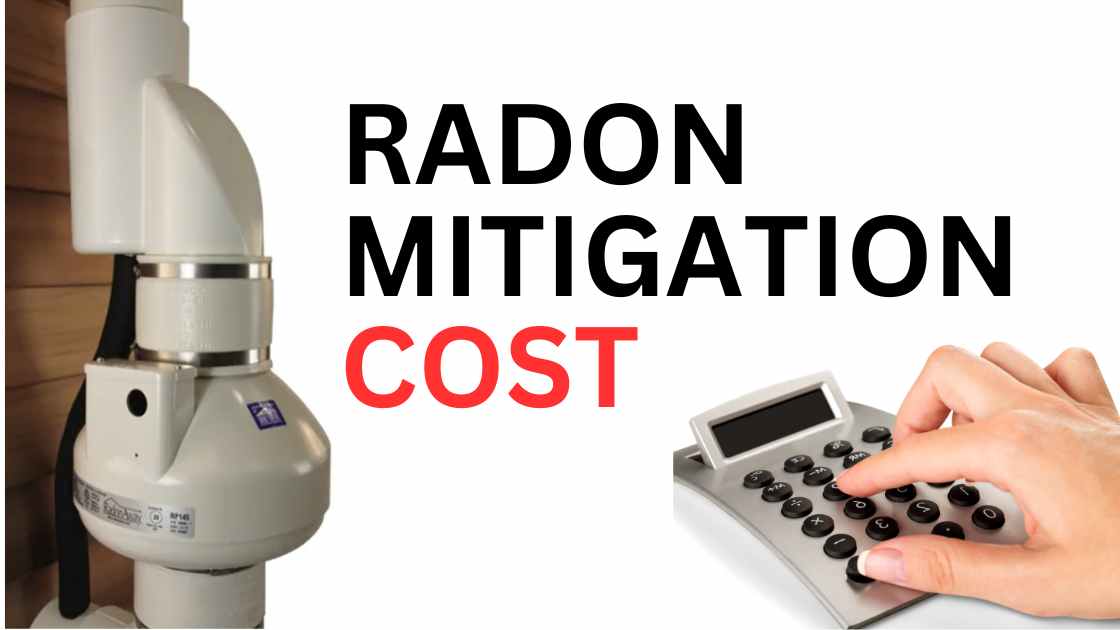
 A silent killer, radon gas may penetrate our houses and contaminate the air we breathe. The breakdown of uranium in the soil produces radon, a radioactive gas that is tasteless, odorless, and colorless. Over 21,000 deaths occur in the US each year due to it, which is the second most common cause of lung cancer after smoking. Via gaps in the foundation, walls, or flooring of your home, radon can seep inside and eventually build up to lethal levels. Therefore, it is essential to act to safeguard your house and family from this dangerous gas. Installing a radon mitigation system in your house is the most effective approach to accomplishing this. This post will go through radon mitigation costs and budgeting for them. We'll also examine the advantages of installing a radon mitigation system in your house. What is Radon Mitigation?Reducing the amount of radon gas in the air is known as radon mitigation. Sub-slab depressurization is the method of radon mitigation that is used the most often. This entails setting up a network of pipes and fans beneath the home's foundation to extract radon gas from the ground and exhaust it outside. Moreover, radon mitigation devices can be put in various components of the house, including basement walls, sump pumps, and crawl spaces. The price of radon mitigation varies according to the size, complexity, and location of the system in your home. Related Article: Passive radon system versus an active system What Does Radon Mitigation Cost?A few hundred dollars to several thousand dollars can be spent on radon mitigation. A radon mitigation system typically costs between $500 and $4,000, with an average cost of roughly $1,200. The size of your property, the foundation type, the quantity of radon, and the complexity of the system are some of the variables that affect the price of radon mitigation. Houses with higher radon levels or more complicated foundations would need a more pricey solution. Obtaining a precise quotation from a licensed radon mitigation professional is crucial. A qualified expert will inspect your house and give you a personalized quotation based on your unique requirements. How to Budget for Radon Mitigation?The cost of radon mitigation is required to protect your family's safety and health. It is, however, a cost that may also be planned for and budgeted for. Obtaining an estimate from a qualified specialist is the first step in creating a budget for radon reduction. You can begin to plan and save for the cost once you have an estimate. There are many strategies to reduce the cost of radon mitigation. Programs for financial support are available in some states for families with low incomes or those living in high-risk locations. To get the greatest deal, you can also shop around and compare quotes from a lot of licensed experts. By performing the radon mitigation yourself, you can also save money. This is not advised, though, as setting up a radon mitigation system calls for specialist knowledge and experience. Hiring a licensed specialist is necessary to guarantee that the system is implemented appropriately and successfully lowers the radon gas content in the air. Call Fort Collins Radon Mitigation 970-299-9763 Benefits of Radon Mitigation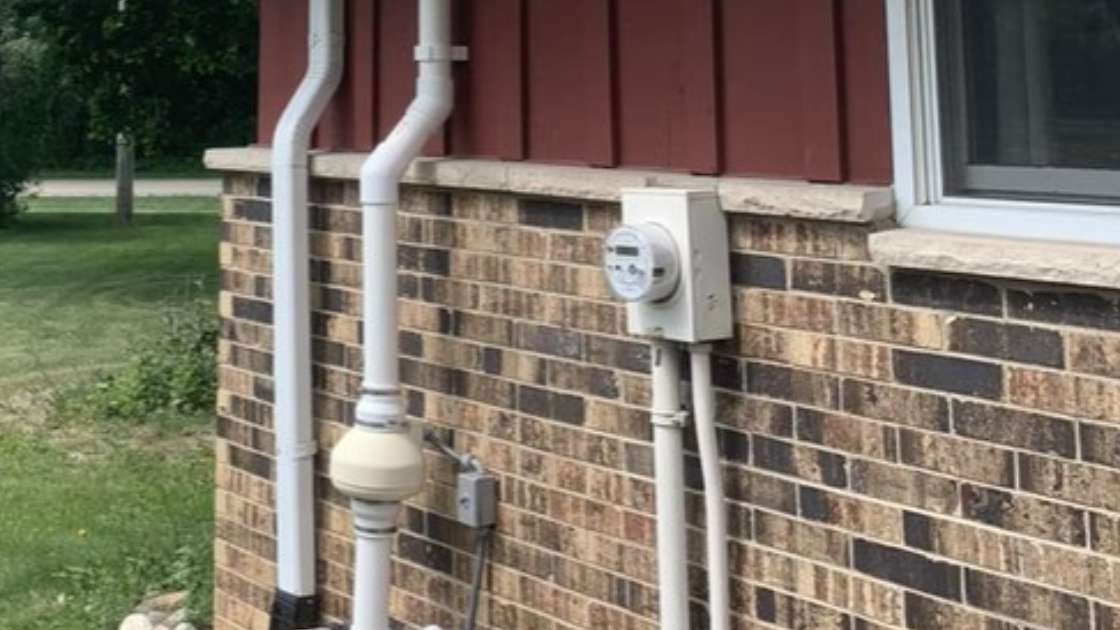 The main advantage of radon mitigation is the decrease in radon gas levels in the air, which can enhance indoor air quality and lower lung cancer risk in your home. Radon mitigation can provide you and your family peace of mind and raise the value of your house when you decide to sell it. In addition to having positive effects on health, radon reduction can also lower energy expenses. The system can limit the intrusion of outside air and radon gas, which can both lessen the stress on your HVAC system and lower your energy costs. A further advantage of radon mitigation is that it can aid in shielding your property against moisture and mold issues. The system can aid in lowering the air's moisture content, which can aid in limiting the development of mold and mildew ConclusionIt is important to consider radon gas seriously as a health risk. A radon mitigation system must be installed if you live in a region with high levels of radon or if you are worried about the air quality in your house.
The size and complexity of the system, the location of your property, and the quantity of radon are a few variables that affect the price of radon mitigation. It's crucial to budget for the cost and obtain a precise estimate from a trained radon mitigation professional. Reduced radon levels in the air, better air quality, fewer energy costs, and the avoidance of moisture and mold issues are just a few advantages of radon mitigation. A radon mitigation system is an investment in both the value of your house and the safety and health of your family. |
|
Serving Fort Collins, CO and Surrounding Areas
|
|


